I sat down with Linda Coorey, whose twenty-five years in gaming and three decades across creative-industry product work have shaped how she reads a lobby before she ever reads a balance. We kept the conversation loose, more arvo coffee than boardroom, because the real question for any Australian player is not which wallet looks flashiest, but which setup actually fits the way you play. Linda reckons most people treat crypto pokies wallet setup like a technical chore, when it is really a decision about how much friction you want between your bankroll and the first spin.
Match the wallet to your game mix and pace
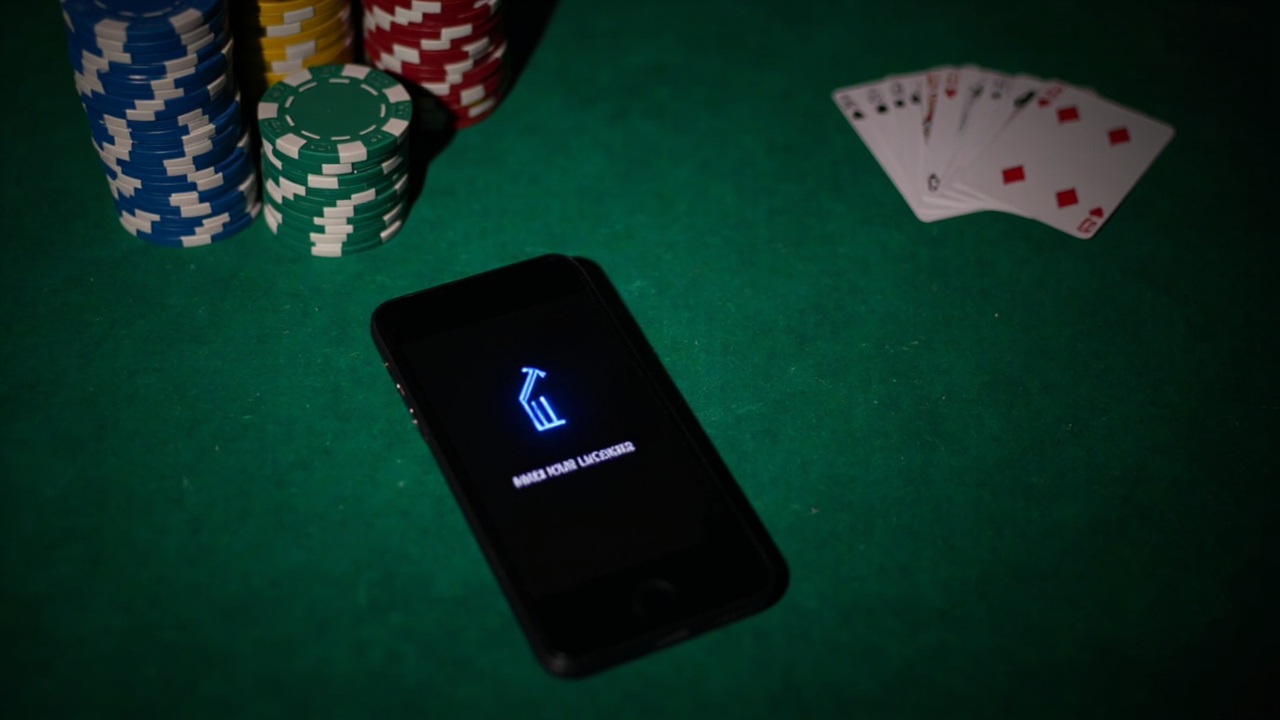
The first thing Linda weighs is the lobby itself, because a wallet that feels smooth for a high-volatility slot marathon can feel clunky when you are hunting table games or live dealers between sessions. She pointed out that a well-organised lobby matters more than people admit, especially when you are switching between providers and want to find a specific slot without scrolling past twenty identical-looking releases. When I asked how a wallet should behave across that kind of mix, she said the interface needs to keep your balance visible without crowding the game tile, and the deposit flow should not demand a fresh address every single time you want to top up. That is where a platform like lucky dreams pokies tends to separate itself, because the wallet sits quietly in the corner until you need it, rather than demanding attention before you have even picked a game. Linda’s creative-industry background surfaces here too: she compares a tidy lobby to a well-edited exhibition, where every game has a clear lane and the wallet never interrupts the path to the first spin. If your play style leans toward quick sessions and frequent provider-hopping, you want a setup that keeps the balance readable and the reload short, not a long verification chain between every deposit.
Weigh the limits, currencies, and reload rhythm
The numbers matter more than the gloss, and Linda is blunt about that. She told me that crypto pokies wallet setup only earns its keep when the minimum reload, the currency pairs, and the withdrawal windows actually suit the way you bankroll a session, not just when the deposit button looks tidy. I raised the question of whether players should chase the lowest minimum or the fastest confirmation, and she said it depends on whether you are funding a long evening or topping up between races at a Perth track. A wallet that lets you move in smaller increments without forcing a whole new address each time is worth more than one that advertises a slick interface but makes every reload feel like a fresh registration. Abigail Brown, Strategy Director at Great Southern Betting Review, put it plainly when I asked her to put numbers around the decision: she said players should treat the reload rhythm as the real test, because a wallet that feels fast on day one can become irritating once you are moving funds three or four times in a single session. Linda added that the currency choice should match your actual crypto habits, not some hypothetical portfolio you plan to build later, and that means picking a setup where the coins you already hold are the ones the lobby respects without constant conversion friction.
Check registration, mobile, and the support you will actually use
The onboarding piece is where a wallet either earns trust or starts feeling like a hurdle, and Linda said she judges it by how much information the platform asks for before you can even see the lobby. She does not want a long chain of questions before the first balance appears, but she is equally clear that a reasonable registration step is not the enemy, especially when the alternative is a wallet that feels anonymous right up until you need help. I asked how mobile should change the equation, and she said the same wallet should behave on a phone without shrinking the lobby into a cramped strip, because a lot of play happens on the train home or during a quiet hour after work. Cooper Mitchell, Senior Market Analyst at Harbour City Gaming Review, noted that support is the real tiebreaker once the wallet is live, because a smooth deposit means little if you cannot get a straight answer when a transaction stalls. Linda agreed, and she said the support channel should be easy to reach without digging through three menus, because a wallet is only as good as the person who can confirm whether your reload landed or is still waiting on the network. If the mobile view keeps the balance legible and the support team answers without making you repeat your transaction hash twice, the setup is doing its job.
Read the loyalty and bonus mechanics without the gloss
Bonuses and loyalty perks look generous on a banner, but Linda said the real test is whether the wallet’s reload pattern and the bonus terms actually line up with how you play, not whether the headline number sounds big. She warned that a crypto pokies wallet setup can feel generous right up until you notice the wagering conditions are built around a deposit cadence that does not match your session length. I asked how a player should read those mechanics without getting lost in the fine print, and she said the simplest check is whether the loyalty rewards recognise the coins you are actually using, or whether they quietly favour one currency while making the others feel like second-class tender. A platform that ties its loyalty ladder to your real reload rhythm, rather than to a theoretical deposit schedule, is the one that keeps the wallet useful past the first week. Linda’s creative-industry instinct shows up here as well: she compares a coherent bonus structure to a well-paced campaign, where each reward follows logically from the last, instead of arriving as a random spike that disappears before you can use it. If the wallet keeps your balance visible, the reload short, and the loyalty terms readable, the setup is working for you rather than around you.

The right crypto pokies wallet setup is less about the coin in your pocket and more about the way the lobby, the reload rhythm, and the support actually fit your sessions. Linda’s takeaway is straightforward: pick the wallet that keeps the balance legible, the deposit short, and the terms readable, then let the game mix decide the rest. If the numbers suit your bankroll and the support answers without a runaround, you have a setup that earns its place rather than one that just looks tidy on a banner.